
Creative Fashion Concepts Explained
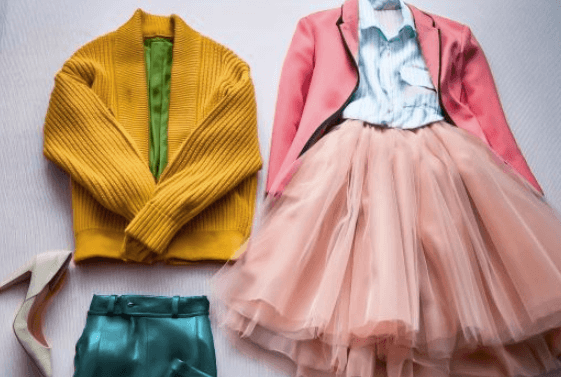
Creative fashion concepts translate culture into visible form, guiding collections with intent. They balance ethics, market realities, and sustainability as measurable effects, while embracing upcycling, digital textiles, and rapid prototyping. Materials and construction become the narrative backbone, turning ideas into tactile truth. Each concept frames texture, silhouette, and function as a communicative core, offering modular, adaptable wearables that fuse restraint with audacity. The result signals direction, yet leaves the next step ambiguous, inviting careful scrutiny.
What Creative Fashion Concepts Really Mean
Creative fashion concepts are not mere aesthetics but frameworks that translate cultural signals into tangible designs. In this lens, ideas become visible forms, guiding collections with intent. Conceptual symbolism emerges as a language that communicates values, while market realities demand clear, measurable effects. Ethical implications surface as responsibilities, shaping materials, labor, and storytelling. The result is purposeful experimentation, steering audiences toward thoughtful, liberating fashion choices.
From Upcycling to Digital Fashion: Core Concepts Explained
From upcycling to digital fashion, the core concepts map a spectrum of practice where resources, technology, and intention converge to redefine value.
Observant analysis notes iterative reuse, collaborative ecosystems, and rapid prototyping as decisive drivers.
The discourse highlights upcycling narratives and digital textiles, framing freedom as influence over production, sustainability, and personal expression within a dynamic, trend-aware marketplace.
How Materials and Construction Tell the Story
Materials and construction function as the narrative backbone of a garment, translating concept into texture, weight, and movement. They reveal intent through choice of fabric, seam, and finish, shaping perception and behavior. The story unfolds in upcycling narratives and material texture symbolism, guiding designers toward expressive restraint, sustainable audacity, and tactile honesty. Observant, decisive, trend-aware observers decipher intention through texture, form, and purposeful construction.
Translating Theory Into Wearable Moments: Practical Frameworks
In translating the narrative strength of materials and construction into tangible wearables, designers anchor concept to measurable outcomes: silhouette, weight, drape, and mobility.
Translating theory into practice, studios embrace a framework rooted in conceptual framing and tactile experimentation, translating ideas into scalable systems: modularity, adjustability, and technical textiles.
The result is purposeful, liberating fashion that speaks through precise, adaptable forms and confident, trend-aware execution.
Frequently Asked Questions
How Do Color Trends Influence Creative Fashion Concepts Seasonally?
Color trends steer creative fashion concepts seasonally by guiding color palettes, updating seasonal hues, informing textile moodboards, and shaping trend forecasting; they influence mood, fabric choices, and collection cohesion while granting designers freedom to interpret shifts decisively.
See also: Construction Tech Innovations
What Role Do Collaboration and Co-Design Play in Innovative Fashion?
Collaboration and co-design drive innovative fashion by pooling diverse skills, perspectives, and resources. This collaboration fosters synergy and adaptive processes, while co design dynamics emphasize shared ownership, iterative refinement, and freedom to experiment within brand ecosystems.
Can Sustainability Coexist With High-Concept Runway Looks?
Sustainability can coexist with high-concept runway looks, sustainable luxury meeting avant garde ethics as designers fuse responsibility with audacity, proving fashion can challenge norms while honoring craft, transparency, and freedom for observers who demand fearless, ethical experimentation.
How Do Fashion Tech Integrations Affect Comfort and Wearability?
Tech integrations influence comfort and wearability by balancing responsive fabrics and sensors with ergonomic design; comfort integration remains central, while wearability metrics quantify fit, weight, and motion comfort, guiding practical appeal for a freedom-seeking audience.
What Ethical Considerations Shape Experimental Fashion Practices?
One study shows 62% of designers prioritize transparency, signaling ethical concerns. The discussion centers on ethics frameworks and cultural sensitivity, guiding experimental fashion practices with observant, decisive, trend-aware language for audiences seeking freedom and responsibility.
Conclusion
In sum, the field nods to possibility while gently curating restraint. Creative concepts, like soft rumors, hint at futures where upcycling, digital textiles, and modular design quietly coexist with market tact. Materials speak with measured voice, construction aligning with purpose, not spectacle. The discipline favors deliberate experimentation over loud novelty, guiding collections toward sustainable audacity and personal freedom. Observant, decisive, and trend-aware, it unfolds as a careful choreography where intention translates into wearable meaning.