Connected Vehicle Technology
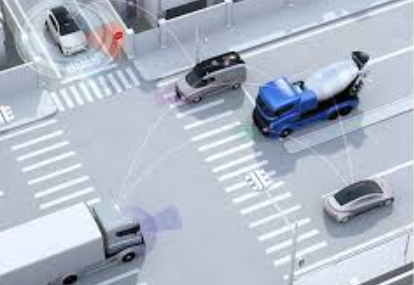
Connected vehicle technology weaves sensors, connectivity, and computing into a shared data fabric. Vehicles, infrastructure, and clouds exchange V2X information to improve safety, efficiency, and situational awareness. The technical stack hinges on sensor fusion, robust security, and resilient communication protocols. Real-world deployments reveal tradeoffs between privacy, interoperability, and scale. The path forward is clear but nuanced, presenting both design challenges and opportunities that invite careful consideration and ongoing assessment.
What Is Connected Vehicle Technology and Why It Matters
Connected vehicle technology refers to an integrated set of communication, sensing, and computing systems that enable vehicles to share data with each other, with infrastructure, and with cloud services.
The field examines how this connectivity enables adaptive mobility, streamlined logistics, and enhanced user experiences, while addressing policy implications, privacy controls, and interoperability standards to ensure secure, scalable, and user-empowering roadwise freedom.
How V2X Communication Shapes Safer Roads
V2X communication, by enabling real-time data exchange among vehicles, infrastructure, and cloud services, forms a safety backbone for modern roads.
This system leverages cooperative sensing to extend awareness beyond the driver’s line of sight, addressing v2x latency constraints and prioritizing critical messages.
Building the Tech Stack: Sensors, Connectivity, and Security
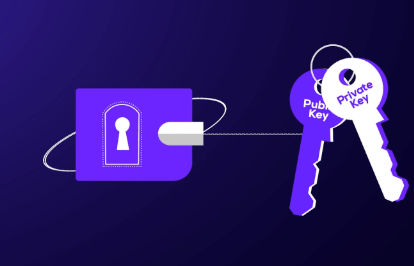
To build effective vehicular networks, the tech stack must integrate robust sensing, reliable connectivity, and strong security from the ground up. Sensor fusion synthesizes disparate signals into coherent situational awareness, while edge security shields nodes and data at the source. A resilient stack enables adaptive protocols, low latency, and transparent governance, empowering operators with freedom through trustworthy, scalable, and maintainable infrastructure.
See also: blogbrewer
Real-World Benefits and Adoption Path for Cities and Fleets
Cities and fleets stand to gain tangible gains from connected vehicle technologies, with lanes of data flowing toward safer, more efficient operations and informed decision-making. Real-world benefits emerge through scalable field deployment, enabling incident reduction, optimized routing, and energy savings. Adoption paths hinge on transparent cost benefit analysis, standards alignment, and interoperable systems that empower cities and fleets to tailor solutions without compromising freedom.
Frequently Asked Questions
How Do Connected Vehicles Handle Privacy and Data Ownership?
Connected vehicles implement privacy governance and clarify data ownership through layered controls, consent management, minimization, and transparent data flows; technical safeguards and policy frameworks ensure user rights are preserved while enabling innovative, freedom-focused mobility services.
What Are the Upfront Costs for Small Fleets to Adopt V2X?
Upfront costs for small fleets vary, typically comprising hardware, integration, and telemetry fees. Privacy concerns and data ownership models influence budgeting, with scalable solutions easing adoption. Small fleets can balance cost, compliance, and operational freedom through phased V2X deployment.
How Is Interoperability Ensured Across Different Manufacturers?
Interoperability is addressed through cross vendor standards and open interfaces, reducing friction for adoption. The approach acknowledges interoperability challenges, promotes common protocols, and enables vendors to innovate while preserving seamless data exchange and cross-network compatibility for diverse fleets.
What Standards Govern Long-Term Cyber Resilience in CV Tech?
The standards guiding long-term cyber resilience in CV tech are evolving; allegory portrays a steadfast loom. Privacy policy and data ownership anchor safeguards, while open-by-design processes ensure adaptiveness, transparency, and resilient defense against emergent threats.
Can Connected Vehicle Data Be Monetized Without Compromising Safety?
Yes, connected vehicle data can be monetized, but monetization models must disclose safety trade offs and preserve core protections; careful governance and robust privacy controls minimize risk while enabling value, transparency, and accountable data-sharing that respects user autonomy.
Conclusion
Connected vehicle technology forms a living network, where data weaves traffic, sensors, and decisions into a coherent pulse. It translates raw signals into actionable insight, like a compass guiding urban motion. V2X links turn isolated dashboards into collective awareness, while edge security and robust protocols act as the shield and spine. The result is safer streets, smarter fleets, and resilientCities that learn. Adoption follows careful choreography—standards, privacy, and interoperability setting the tempo for scalable, trusted transformation.