Construction Project Management Tools

Construction project management tools centralize data, workflows, and communication to streamline planning, scheduling, and coordination. They translate complex tasks into actionable steps, monitor progress, and enforce deadlines, enabling proactive risk mitigation and optimized resources. By mapping digital workflows to pre-construction, procurement, field execution, and closeout, these tools deliver measurable milestones and transparent dashboards. Scalable integration and mobile access support accountability and predictable cash flow, while maintaining execution discipline—powerful only if the organization engages with the right metrics and milestones. The next step reveals where those levers sit.
What Construction PM Tools Do for You
Construction project management (PM) tools streamline planning, scheduling, and coordination by centralizing data, workflows, and communication. They translate complex tasks into actionable steps, monitor progress, and enforce deadlines. This clarity supports planning accuracy and disciplined execution. Teams detect deviations early, enabling proactive risk mitigation, optimized resource use, and transparent accountability. The result is streamlined workflows, measurable milestones, and greater operational freedom.
How to Compare Top Platforms for Builders
Evaluating top platforms for builders requires a structured approach: identify core needs, quantify requirements, and align vendor capabilities with project realities.
Decision criteria emphasize cost comparison, integration capabilities, and scalability.
Builders should compare functionality, safety features, reporting, and mobile access against timelines.
A clear scoring rubric reveals trade-offs, enabling informed selections that accelerate delivery while maintaining budget discipline and operational clarity.
Real-World Workflows You’ll Optimize
To translate platform assessments into actionable gains on site, teams map how digital workflows align with real-world processes—from pre-construction planning and procurement to field execution and closeout.
Real-world workflows prioritize risk assessment and payment scheduling, ensuring deadlines are met, compliance tracked, and field data feeds back to planning.
The result is measurable productivity gains, disciplined risk control, and predictable project cash flow.
Choosing, Implementing, and Getting ROI From PM Tools
Are the right project management (PM) tools selected to meet site demands, integrate with existing workflows, and deliver measurable returns?
Selecting, implementing, and monetizing PM tools requires disciplined risk assessment and structured change management.
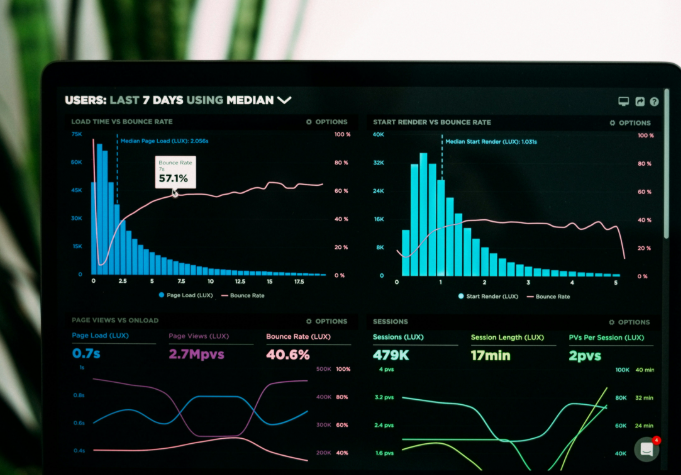
Projects benefit from transparent dashboards, defined success metrics, and rapid iteration.
A disciplined rollout minimizes disruption, prioritizes training, and sustains ROI through continuous optimization and validated performance against concrete deadlines and budgets.
Frequently Asked Questions
What Is the Typical Learning Curve for New Users?
The learning curve varies but tends moderate for new users, with efficient user onboarding reducing time-to-proficiency; coordination features streamline workflows, while subcontractor tracking clarifies accountability, enabling faster results and greater autonomy within deadline-driven project environments.
How Do PM Tools Handle Subcontractor Coordination?
Subcontractor coordination is like a conductor aligning varied instruments; PM tools enable streamlined onboarding, real-time dashboards, and task dependencies. They facilitate rapid issue resolution, transparent calendars, and secure messaging, ensuring deadline-driven, freedom-seeking teams meet project milestones efficiently.
See also: Connected Vehicle Technology
Do Tools Support Mobile Offline Data Entry?
Tools typically support offline data entry via mobile apps, enabling field updates when connectivity is unavailable, then syncing later. This offline data capability supports mobile entry, preserving deadlines, ensuring results-focused progress while preserving contractor flexibility and autonomy.
What Are Data Privacy and Security Considerations?
Before dawn, data privacy and security considerations loom, guiding safeguards from access controls to encryption, auditing, and incident response. The approach remains detail-oriented, deadline-driven, and results-focused, empowering freedom-seeking teams to operate securely while preserving autonomy.
Can PM Tools Integrate With Legacy ERP Systems?
Yes, PM tools can integrate with legacy ERP systems, focusing on integration compatibility and careful legacy data migration to minimize risk, preserve historical records, and ensure seamless workflows while sustaining deadlines, security, and user autonomy throughout the transition.
Conclusion
Construction project management tools translate plans into proven, measurable actions across pre-construction, procurement, fieldwork, and closeout. They standardize workflows, enforce deadlines, and provide transparent dashboards that drive accountability and cash flow predictability. By centralizing data and enabling mobile access, teams stay aligned, mitigate risk, and accelerate decision-making. Implemented well, these platforms behave like a well-calibrated compass—precise, reliable, and unwavering under pressure—guiding projects to on-time, on-budget outcomes. The result is execution discipline delivering operational freedom.