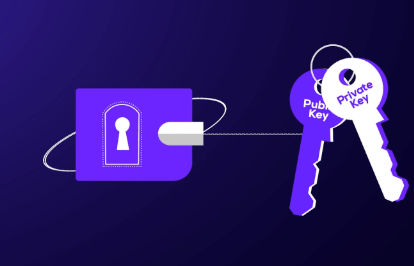
The Importance of Network Security in Crypto

Network security underpins trust in crypto by safeguarding transactions, wallets, and smart contracts from disruption and tampering. A precise security model, continuous monitoring, and rapid incident response reduce systemic risk while preserving user autonomy. Encryption, tamper-evident logs, and strict access controls protect data at rest and in transit. Threat modeling and anomaly detection guide proactive defenses. Layered controls and transparent governance enhance resilience, yet evolving threats demand persistent vigilance to sustain confidence moving forward.
Why Network Security Drives Crypto Trust
Network security underpins user confidence in crypto ecosystems by ensuring the integrity and availability of transactions, wallets, and smart contracts.
The analysis highlights how robust architectures, continuous monitoring, and swiftly actionable controls reduce risk, enabling freedom to transact.
Latency optimization improves user experience without compromising safeguards, while encryption standards defend data at rest and in transit, reinforcing trust and long-term network resilience.
Common Attack Vectors in Crypto Networks
Common attack vectors in crypto networks exploit weaknesses across multiple layers, from protocol design and node integrity to user interfaces and operational processes. Analytical assessment highlights tension between latency versus integrity in real-time settlements and data propagation. Node anonymity concerns complicate accountability, enabling stealth exploitation. Proactive defense requires precise threat modeling, rapid anomaly detection, and layered controls that preserve user freedom while mitigating systemic risk.
Practical Steps to Harden Crypto Infrastructures
The analysis of attack vectors in crypto networks underscores the need for concrete, actionable hardening across layers, from protocol safeguards to operational discipline. Practical steps emphasize rigorous threat modeling, transparent risk registers, and repeatable hardening playbooks.
Emphasize data integrity through authenticated channels and tamper-evident logging. Enforce least privilege, continuous monitoring, and rapid incident response to sustain resilient, freedom-oriented infrastructures.
Building a Resilient, Secure Crypto Ecosystem
Effectively, a resilient and secure crypto ecosystem rests on disciplined governance, robust architecture, and proactive threat intelligence that collectively sustain trust and interoperability.
A detached analysis examines layered defenses, transparent token flows, and continuous risk assessment.
Key factors include preventing token leakage and enforcing governance audits, ensuring interoperable standards, modular upgradability, and rapid incident response to maintain freedom through trustworthy, resilient platforms.
Frequently Asked Questions
How Often Should Security Audits Be Conducted for Crypto Networks?
Audits should occur at least quarterly, with deeper annual reviews and post-incident checks. This approach emphasizes security auditing and network hardening, offering proactive risk mitigation while preserving operational freedom and transparency for responsible teams and stakeholders.
What Is the Role of Zero-Trust in Crypto Ecosystems?
A striking 72% incident reduction accompanies zero-trust adoption, illustrating its role in Crypto ecosystems. It emphasizes continuous verification, least-privilege access, and micro-segmentation, enabling resilient architectures while permitting freedom-minded stakeholders to operate securely within trusted boundaries.
How Do Quantum Threats Affect Current Crypto Network Security?
Quantum threats challenge current crypto network security by compromising classical cryptographic assumptions; thus, the analysis emphasizes network resilience, cryptography agility, and continuous threat modeling to anticipate transitions, ensuring robust post-quantum readiness for freedom-seeking ecosystems.
See also: Construction Tech Innovations
Which Metrics Best Measure Network Security Effectiveness in Crypto?
Measurement latency and threat modeling are the best metrics for network security effectiveness in crypto, providing parallel insights: resilience, detection speed, coverage, and adaptability; they enable analytical, precise, proactive assessment for audiences pursuing freedom and robust defenses.
What Are Cost-Effective Security Measures for Startups?
Cost effective security measures for startups include layered access controls, regular patching, automated monitoring, and secure coding practices. Startups security benefits arise from risk-based budgeting, vendor assessments, and rapid incident response, enabling proactive defense without excessive overhead.
Conclusion
Security is the backbone of trusted crypto ecosystems. By layering encryption, tamper-evident logging, least-privilege access, and continuous monitoring, organizations reduce attack surfaces and accelerate incident response. Threat modeling and anomaly detection transform potential breaches into detectable signals, enabling proactive defense. As networks evolve, governance and transparency keep resilience aligned with user interests. In short, robust network security serves as a compass and shield—guiding secure innovation while weathering threats like a steady harbor in a storm.